

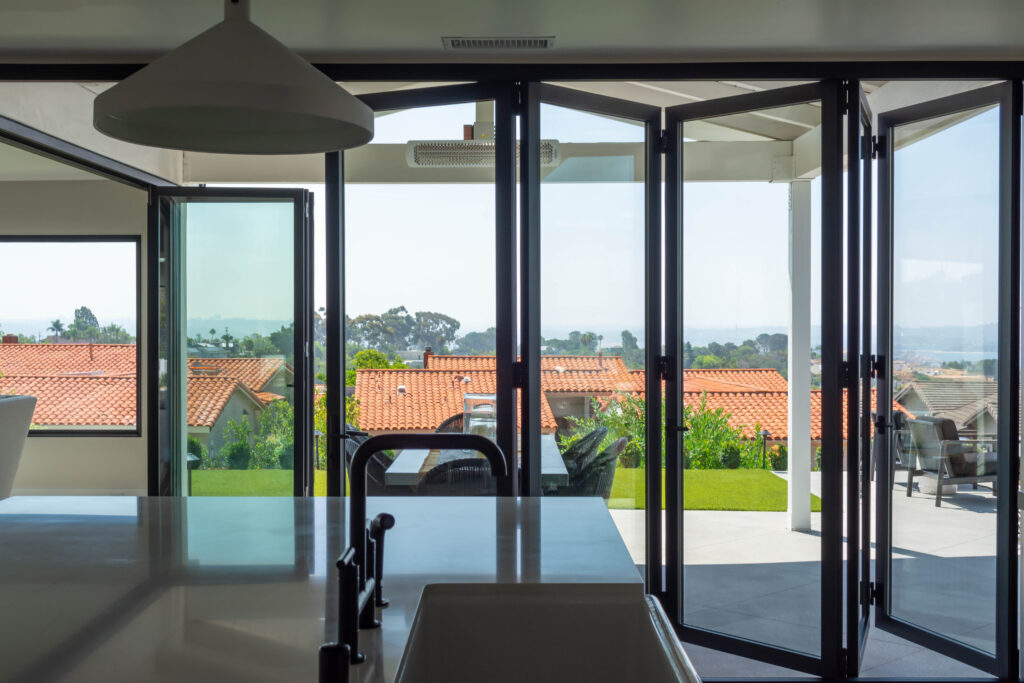
A window can look like a small detail until you are the one choosing what goes into your home.
Then the questions start. Which material is right? How much should you spend? Will it hold up in San Diego’s climate? Does the product come with the right warranty for your location? And if you are investing in a high-end home, will the choice you make today still make sense years from now?
Those questions matter because custom windows and doors are more than something you see from the outside. They shape the way natural light enters a room, how a space opens to the outdoors and how your home performs over time. For many homeowners, they are also a significant investment in the property itself.
That is why the first conversation should not begin with a catalog or a price sheet. It should begin with your home and what you are trying to accomplish.
At Designer Window Supply, Cole Miller, customer experience officer at DWS, begins by discussing your project, your priorities and what you hope to accomplish. He uses those details to understand the full picture: why you are replacing or adding windows, what you are comfortable investing in, where your home is located and when you need the products.
That perspective reflects how Miller sees his role: “We want them to lead in the right direction. We want to try and support them to make decisions based on their needs and wants and kind of act as a guardian in that way.”
That is the purpose of an effective intake call: not to sell you a window, but to understand the home behind the decision.
Why Are You Replacing or Adding Windows and Doors?
Start with the reason you are making a change.
Maybe a window is failing and you can feel the draft every time you walk past it. Maybe you are opening up a room during a remodel and want the new windows to change how the space connects to the outdoors. Or maybe you are planning a new home where every opening needs to be considered before the walls are finished.
Those are very different starting points, and the right solution depends on which one describes your project.
Miller begins there because the scope of the project influences everything that follows, including the budget and the types of materials worth considering.
The first question is not, “Which window should I buy?” It is, “What am I trying to accomplish with my home?”
That shift changes the entire conversation.
What Materials Make Sense for My Home and Budget?
Once you know what you want the windows to accomplish, the next question is what you are comfortable investing to get there.
That conversation can be uncomfortable. A window project can quickly move from a simple replacement into a significant investment, particularly when you are selecting products for a high-end home. But avoiding the budget conversation does not make the decision easier. It makes it harder to determine which materials are actually appropriate for your home.
Vinyl, aluminum, clad and wood each come with different price ranges and considerations. In San Diego, the right material also needs to account for your home’s location, along with its design and your lifestyle.
That broader view is important because the material itself is only part of the decision. Krystal Hauseur, CEO of Designer Window Supply, explains, “We really try to again understand the design, the lifestyle of the homeowner, the specific location of that door or window system and how it will function in the entirety of that house.”
Your budget should help shape that conversation, while the needs of your home determine which options are worth considering.
Will My Window Choices Support My Home’s Value?
It is easy to think about windows as an expense. You notice the price on the estimate, the installation and the disruption to your home. What can be harder to see is what that investment means years from now.
Miller encourages homeowners to think beyond the immediate replacement and consider how their material choices relate to the value of the home. He says windows and doors can retain about 70% of their value over a 20-year period, depending on the material selected.
That makes the question bigger than whether one product costs less than another today.
If you are remodeling a home in a neighborhood where the surrounding properties use higher quality materials, choosing a lower grade product simply because it costs less could affect how well the finished project aligns with the value of the property.
That is why Miller encourages homeowners to consider what they are getting back from the money they put into their windows: “We want to make sure that homeowners get the most equity out of their purchase. So, if you’re spending $20,000, but you’re not getting anything out of it, sometimes it makes more sense to spend $30,000, but you’re getting $15,000 out of it.”
The point is not to spend more. It is to understand what you are getting back from what you spend.
For a homeowner making a significant investment in windows, that distinction can matter long after installation is complete.
How Does My San Diego Location Affect My Warranty?
In San Diego, where your home is located can be just as important as the windows you choose. A coastal property faces different environmental conditions than a home farther inland, and those conditions can affect which materials are appropriate.
It is also worth asking whether the product’s warranty applies to your specific location. That is a detail that can be easy to overlook when you are focused on the look, performance and price of a window.
For Miller, this is one of the questions homeowners should address early in the process: “I think location is something homeowners should be asking themselves. The first question is, is this material going to maintain a warranty in my home’s location?”
Your ZIP code and proximity to the coast can influence the products worth considering. Understanding those requirements before you commit can help protect both the performance of your windows and the value they bring to your home.
How Soon Do I Actually Need My Windows?
A custom window project can move on very different timelines depending on what is happening in your home.
If you are planning a custom home, you may be thinking about windows long before you need them. If you are dealing with a failing or leaking window, the timeline is much more immediate. Miller says some custom home projects may be two years away from receiving their materials, while homeowners with broken or leaking units may need them within two to four months.
That makes your timeline an important part of the initial conversation. Knowing when you need the windows helps DWS understand the urgency of your project and guide you toward options that fit.
Bringing your timeline into the conversation early gives you more flexibility to plan rather than make a rushed decision.
Questions to Consider Before Your Conversation
|
Start With Your Home, Not a Product
You do not need to walk into an intake call knowing every window term or understanding every material option. You simply need to be ready to talk about your home, what you want to change and what you hope to accomplish.
Miller encourages homeowners to visit the DWS showroom when possible, where they can physically feel different materials and operate the units themselves. That experience can make an abstract product decision feel tangible.
When you are ready to begin your custom window consultation in San Diego, DWS can help you start with the questions that matter. Schedule a Consultation to begin the conversation.